
New Puppy Poop Cleanup: The 2026 Beginner’s Checklist
Bringing home a puppy is pure joy right up until the first accident on the rug. New puppy poop cleanup catches most first-time owners unprepared, and how you handle those early weeks shapes both your home’s cleanliness and your puppy’s toilet training. This 2026 beginner’s checklist gives you the gear, the technique, and the mindset to stay calm, clean, and consistent from day one.
I have raised three puppies and fostered a dozen more. The single biggest lesson is that preparation, not reaction, is what keeps early puppyhood stress-free.
New Puppy Poop Cleanup Starts Before Arrival
Smart new puppy poop cleanup begins the week before your puppy comes home. Puppies have tiny bladders and almost no control, so accidents are guaranteed and frequent. If your supplies and cleaning kit are ready in advance, each accident becomes a thirty-second reset instead of a panic.
Set up a defined toilet area, stock an enzyme cleaner, and stage cleanup tools near every door. Preparation turns the chaos of those first weeks into a predictable rhythm.
Why Enzyme Cleaner Is Essential
Ordinary cleaners mask smells that dogs can still detect, drawing the puppy back to the same spot. Enzyme cleaners digest the odour-causing proteins entirely, which is critical for breaking the accident-repeat cycle during training.
The Complete Beginner’s Supply Kit
You do not need much, but each item earns its place. Here is the starter kit I hand every new owner.
- Enzyme cleaner: Removes odour at the source to prevent repeat accidents.
- Absorbent training pads: Contain indoor accidents during early weeks.
- Compact scoop: Lifts outdoor waste without hand contact.
- Small, strong bags: Right-sized for a puppy’s modest output.
- Disposable gloves: For the messier soft-stool days that come with new food.
- Sealed bin: Keeps odour out of the house between disposals.
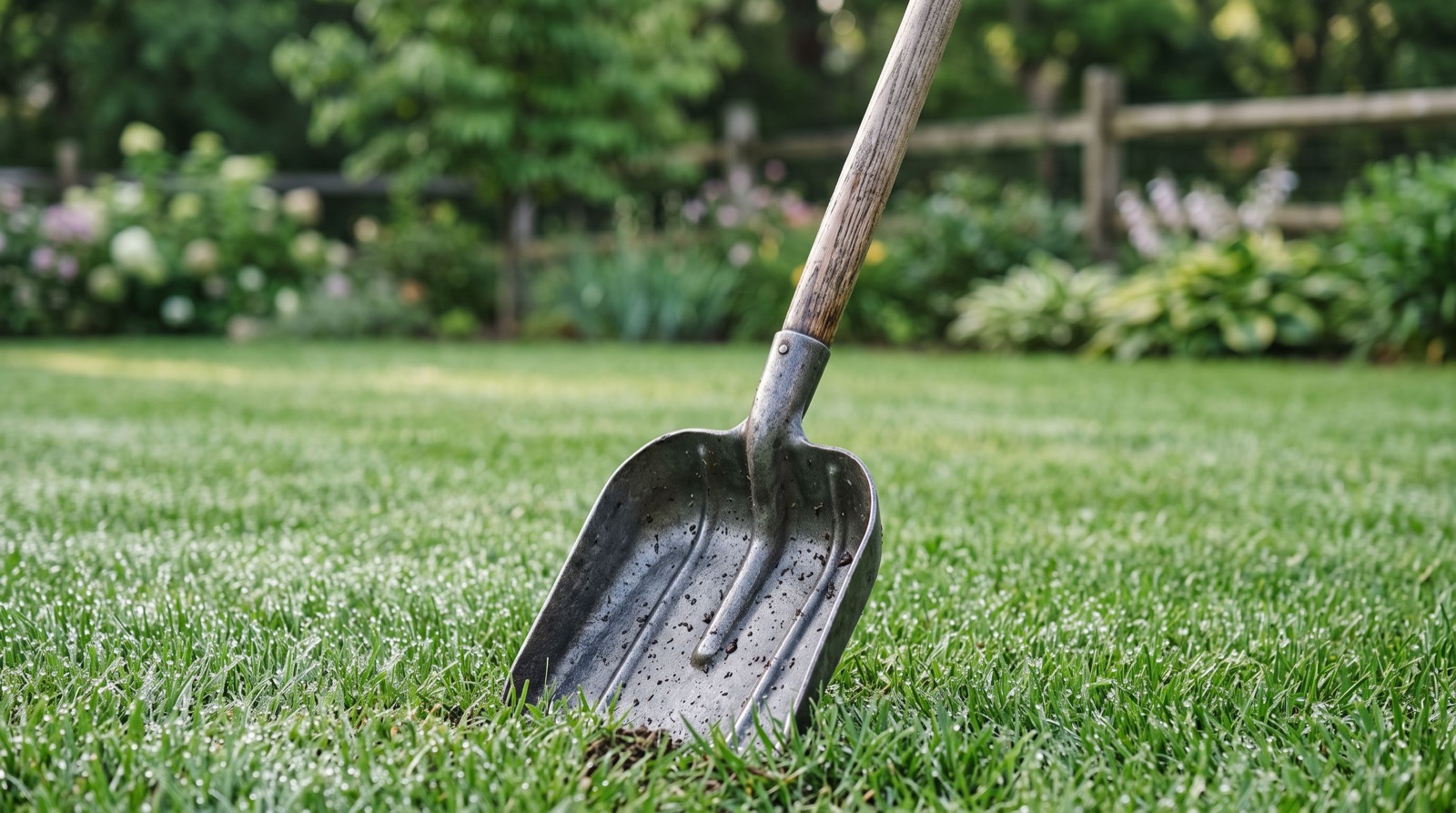
Even a small puppy benefits from a proper tool. Searching “Pooper scooper near me” and picking a lightweight model means you build good hands-off habits from the very first outdoor trip.
Right-Sizing Your Bags
Puppy output is small, so a giant bag wastes plastic, but flimsy sandwich bags tear. A quality Dog poop bag in a modest size hits the sweet spot: strong enough to seal, small enough not to waste.
How Do You Link Cleanup to Toilet Training?
Cleanup and training are two halves of the same job. Every accident you clean thoroughly and every success you reward outdoors teaches your puppy where to go. The goal is to make the right spot the easy, obvious choice.
Consistency is everything. Take the puppy out on a strict schedule, reward immediately after they finish, and clean any indoor accident so completely that no scent remains to tempt a repeat.
| Puppy Age | Bladder Control | Outings Needed | Cleanup Focus |
|---|---|---|---|
| 8–10 weeks | Very low | Every 1–2 hours | Pads + enzyme |
| 10–16 weeks | Improving | Every 2–3 hours | Scoop outdoors |
| 4–6 months | Good | Every 3–5 hours | Yard routine |
| 6+ months | Reliable | 3–4 times daily | Standard cleanup |
A Step-by-Step Accident Response
When an accident happens, a calm sequence beats a frustrated scramble. Follow these steps every time.
- Stay calm; never scold, as fear slows training.
- Remove solid waste with a scoop or gloved hand into a bag.
- Blot liquid with paper towel, working from the edges inward.
- Saturate the spot with enzyme cleaner and let it dwell fully.
- Air-dry, then check with your nose to confirm no scent remains.
Never use ammonia-based cleaners; their scent resembles urine and can actually attract repeat accidents. Enzyme products are the reliable choice.
Watching Stool Health in New Puppies
Cleanup gives you a daily health window. Soft or discoloured stool can signal a diet change reacting or a parasite. The American Veterinary Medical Association recommends routine deworming for puppies, so mention any persistent changes to your vet at the next visit.
Setting Up the Perfect Toilet Zone
A dedicated toilet zone speeds both training and cleanup, and the earlier you establish it, the faster it sticks. Choose a spot that is easy to reach from the door, sheltered enough to use in bad weather, and away from where the puppy eats and plays. Puppies instinctively avoid soiling their living areas, so use that instinct.
Lead the puppy to the same spot after every meal, nap, and play session, and reward the moment they finish. Within a couple of weeks most puppies form a strong association with the zone, which means fewer scattered accidents and a much simpler daily clear-up for you.
How Diet Shapes Your Puppy’s Stool
What goes in determines what you clean up. Sudden food changes are the most common cause of soft, messy puppy stool, so transition between foods gradually over a week rather than overnight. A settled, age-appropriate diet produces firmer stools that are far easier to scoop.
Watch closely when introducing treats or table scraps, which frequently trigger loose stool in young dogs. Keeping a mental note of what your puppy ate before a messy day helps you spot the culprit and adjust, saving you both cleanup and worry.
Hydration and Consistency
Fresh water matters, but so does noticing when stool becomes unusually watery, which can signal a problem beyond diet. Cleanup time is your best daily checkpoint for catching these early, before a minor upset becomes a vet visit.
Frequently Asked Questions
How often will a new puppy have accidents?
Frequently at first. An eight-week-old puppy needs to go every one to two hours and has little control, so expect several accidents daily until training and bladder capacity improve over the following months.
What is the best cleaner for puppy accidents?
An enzyme-based cleaner. It digests the odour-causing proteins completely, unlike masking sprays or ammonia cleaners, which leave scents that draw the puppy back to the same spot.
Should I use training pads or go straight outdoors?
Pads help in the earliest weeks when a puppy cannot hold on between outings. Transition to outdoor trips as bladder control improves, rewarding every outdoor success to reinforce the habit.
When should I worry about my puppy’s stool?
Persistent soft, bloody, or unusually coloured stool warrants a vet call, as does any that lasts beyond a day or two. Routine deworming and monitoring during cleanup catch most early problems.
Off to a Clean Start
Confident new puppy poop cleanup is really about preparation: the right kit staged before arrival, enzyme cleaning that prevents repeats, and a calm response that supports toilet training. Get those in place and the messy weeks pass quickly. If you are also settling into a new home with your puppy, let trusted professionals manage the move so you can focus on bonding with, and house-training, your newest family member.